
For sex workers, digital privacy is practical, not abstract. A reused email address, a photo with location data, or a booking account linked to a personal profile can expose far more than intended.
These online safety tips for sex workers follow a simple principle: control what information is visible, who can connect to it, and what happens if an account is compromised.
Start With the Risk You Need to Manage
There is no single privacy setup that suits everyone. First, decide what you are protecting against.
Are you concerned about clients finding your legal name? Family members recognising a profile? Someone tracking your location? Account theft, payment fraud or unwanted image sharing?
Account takeover calls for stronger login security. Identification risks require better separation between personal and work identities. Harassment requires an evidence and reporting plan.
Keep Work and Personal Identities Separate
Create a dedicated work email address and phone number. Please don't use your personal username, profile photo, recovery email or biography across accounts.
Use separate browser profiles for work and personal activity. Review contact-sync settings before installing social or messaging apps, as syncing can reveal suggested connections.
When using a New Zealand escort directory or several platforms, you can just share only what is needed for the listing or booking. A provider in Auckland escort listings, for example, can describe a general service area without publishing a home address or predictable routine.
Protect Every Account Properly
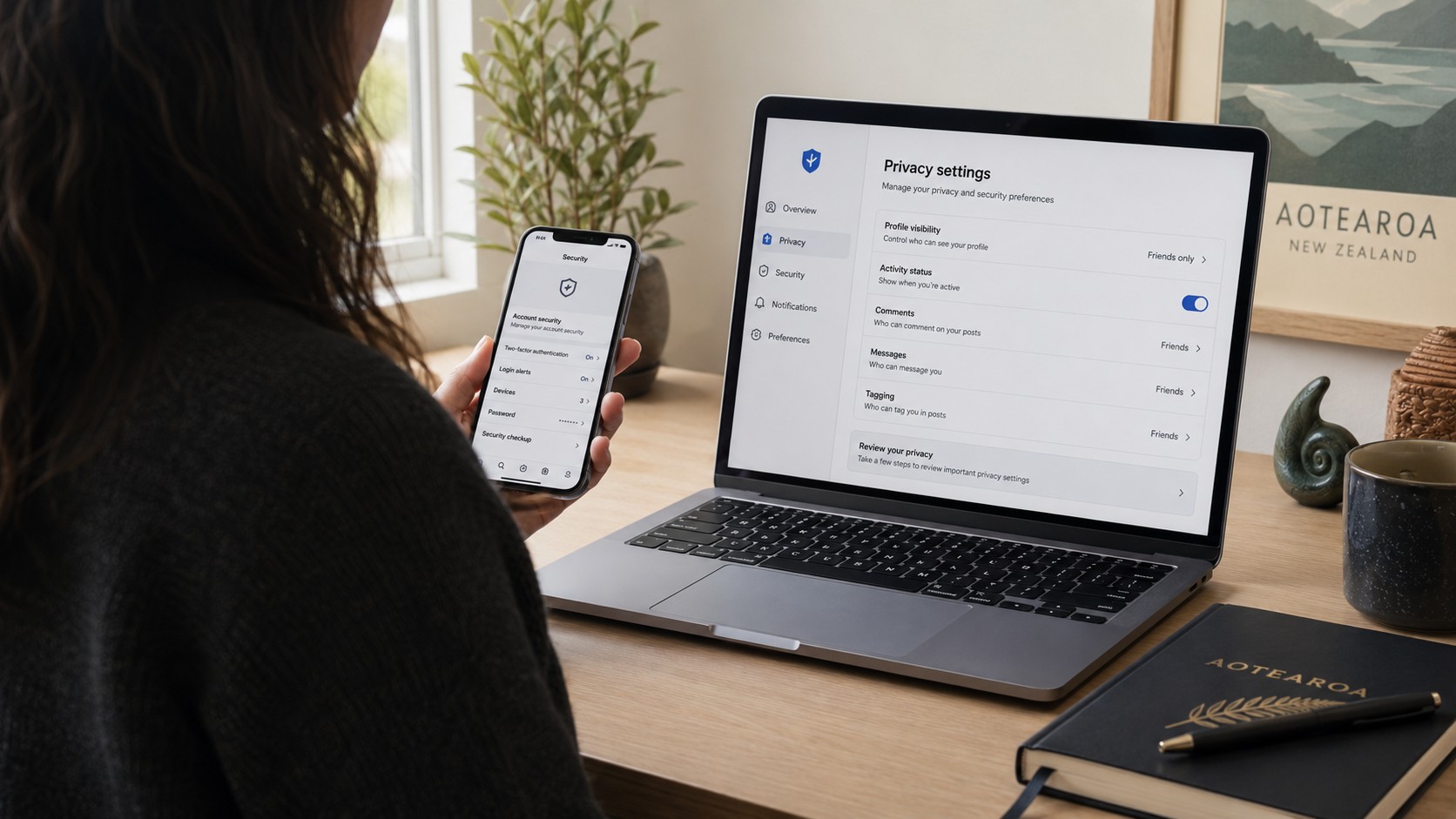
Every important account should have a unique password. A password manager makes this manageable, while two-factor authentication adds protection if a password is exposed.
New Zealand’s Privacy Commissioner recommends long, unique passwords and password managers, while Own Your Online advises enabling two-factor authentication for extra protection.
You can protect the email account connected to your other logins first. If someone controls that inbox, they may be able to reset passwords elsewhere.
Check recovery details, active sessions and connected devices regularly. Remove old phones and unused apps. Recheck privacy permissions after major updates.
Remove Identifying Clues From Photos and Videos
A photo can reveal more than a face. Location metadata, tattoos, certificates, street views, mirrors, windows and familiar room layouts can all help identify someone.
Turn off camera location tagging unless you need it. Before uploading, export a clean copy and check the background at full size. If a face must be hidden, use a solid, opaque cover rather than a light blur.
Please don't post work images right away from the place where they were taken. Delayed posting makes it harder to connect content with your live location.
Netsafe describes doxxing as the non-consensual sharing of details such as a person’s name, address, workplace or contact information. Reducing visible clues makes that information harder to assemble.
Choose Communication Tools With Care
End-to-end encrypted messaging can reduce interception risk, but it cannot prevent screenshots, forwarded messages or access from an unlocked device.
Limit what is stored in chat history. Turn off lock-screen message previews, use a device passcode, and avoid sending identity documents unless a legitimate verification process requires them.
Read a platform’s privacy settings and understand what it records. EscortLocate’s privacy policy explains its approach to information handling.
Clients should also avoid asking providers for unnecessary personal details. The guides on privacy and choice when booking escorts, and on what to say before a first booking, provide related context.
Have a Plan for Harassment or a Privacy Breach
Save screenshots, dates, usernames, URLs and payment records. Change compromised passwords from a trusted device, revoke active sessions and report the content to the relevant platform.
In New Zealand, Netsafe provides support for online abuse and doxxing. Unauthorised sharing of intimate images may constitute a breach of the Harmful Digital Communications Act. Contact the police if there is a direct threat to your safety.
Make Privacy a Routine
Digital privacy for escorts and other adult service providers comes from repeated habits: separate identities, strong account security, careful media sharing, limited disclosure and a clear response plan.
Please review your setup after changing phones, platforms, work locations, or contact details. The less unnecessary information you leave connected, the harder it is for someone else to build a complete picture.
Frequently Asked Questions
What is the most important online safety step for sex workers?
Separate personal and work identities. Use different contact details, usernames, passwords and recovery information wherever possible.
Can photo metadata reveal my location?
Yes. Images may contain location or device information, while the visible background can reveal addresses, landmarks or routines.
Is encrypted messaging completely private?
No. Encryption protects messages while they are being transmitted, but recipients can still save, photograph or forward the content.
What should I do if someone posts my private information?
Preserve evidence, secure your accounts, report the content and contact Netsafe or Police if there is an immediate safety risk.