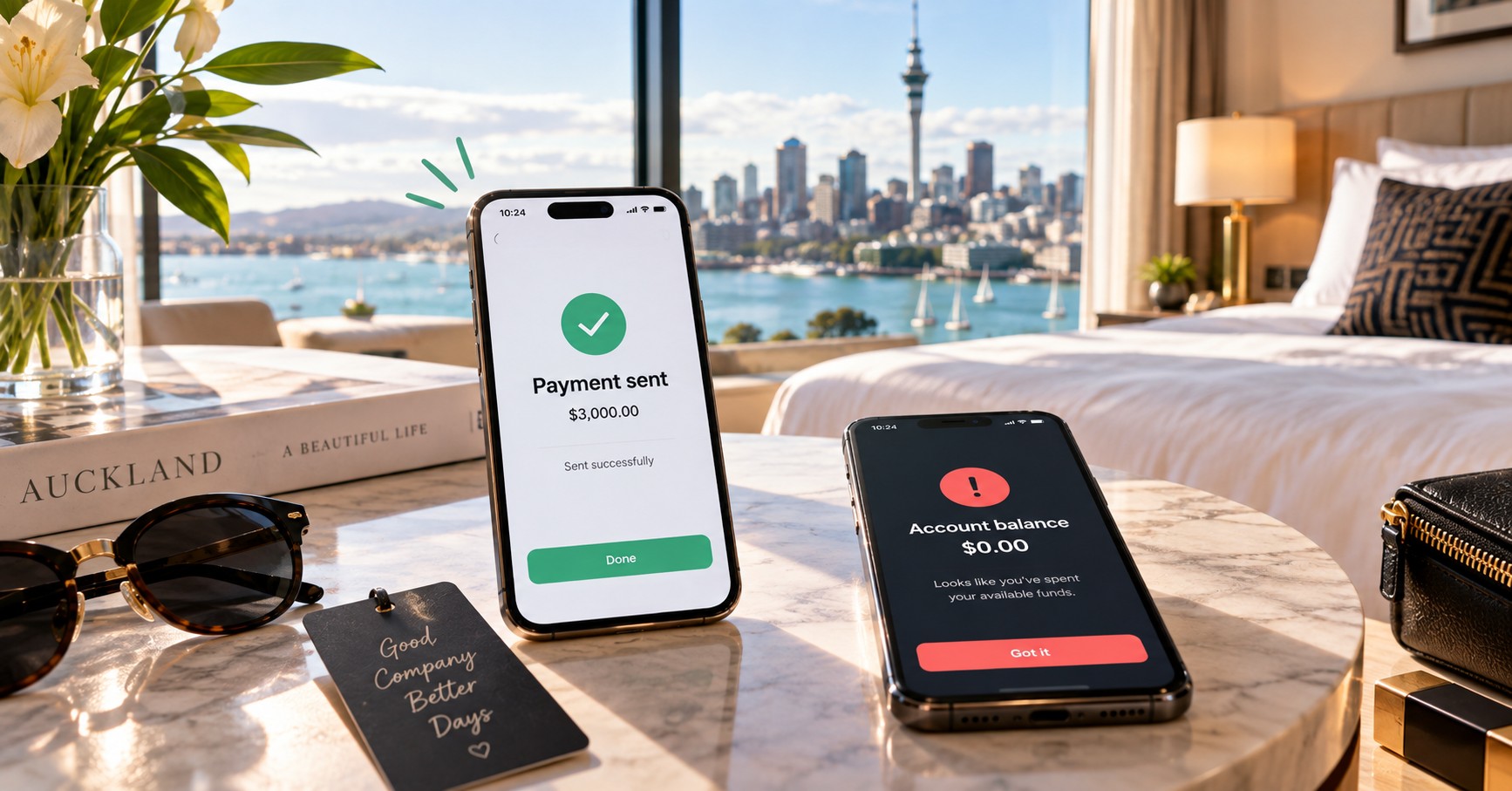

Let’s be real, mate — booking an escort should never feel like walking into a dodgy back-alley gamble. Most providers in New Zealand are professional, respectful, and just trying to run their business properly. But like any adult service space, there are still a few bad eggs who know how to play on trust, privacy, and embarrassment.
That’s why knowing how to avoid escort scams in New Zealand matters. Whether you’re browsing escort ads for the first time or you’ve booked before, a few simple habits can save you from losing money, exposing private information, or getting caught in an uncomfortable situation.
This guide breaks down the common escort scam warning signs, how to protect your phone and banking apps, and how to make safer choices when booking through verified escort ads.
Why Escort Scams Happen
Escort scams usually work because they happen in private. Scammers rely on pressure, distraction, or the fact that many clients feel too embarrassed to report what happened.
Some scams are obvious, like fake profiles that ask for deposits and then disappear. Others are sneakier. A provider may ask to borrow your phone, create a sudden emergency, change the price at the last minute, or push you into making a transfer while you’re distracted.
The goal is usually the same: access to your money, your personal details, or your device.
The good news? Most escort fraud prevention comes down to clear boundaries. If you stay calm, keep control of your phone, and use trusted platforms, you cut out most of the risk before it starts.
Common Escort Scam Warning Signs
1. They Ask to Use Your Phone
This is a big one. Your phone is not just a phone anymore. It’s your bank, your email, your messages, your saved passwords, your ID, and sometimes your whole bloody life.
If someone asks to use your phone during a booking, don’t hand it over unlocked. Even if the reason sounds harmless, it’s not worth the risk.
A safer move is simple: if they need to make a call, you hold the phone and put it on speaker: no dramas, no access, no risk.
This is one of the most important privacy protection tips for escort clients: never let someone else handle your unlocked device.
2. The Price Keeps Changing
Before any booking, the rate, time, location, and payment method should be clear. If the price suddenly changes after you arrive, or you’re pressured into sending “extras” for unclear reasons, that’s a red flag.
Escort payment safety is all about control. If you’re using cash, agree on the amount upfront. If you’re using a digital transfer, do it yourself. Never let another person type into your banking app, check your balance, or “help” with a payment.
A professional provider will respect clear boundaries. A scammer will try to blur them.
3. The Ad Looks Too Good to Be True
We all know the type: perfect photos, suspiciously low rates, vague location, no reviews, rushed messages, and a profile that feels copied from somewhere else.
Fake escort ads often use stolen images or overly polished promises. If the ad lacks consistency, has no clear service information, or pushes you off-platform too quickly, take a step back.
Verified escort ads are not a 100% guarantee, but they give you more confidence than random social media posts or anonymous classifieds.
How to Stay Safe When Booking an Escort in NZ
Safe escort booking is not about being paranoid. It’s about being switched on.
Start with trusted platforms that show clear profiles, locations, and contact details. If you’re looking in major areas, browse local listings such as Auckland escorts, Wellington escorts, or Christchurch escorts instead of relying on random, unverified ads.
Before meeting, confirm the basics:
- The agreed rate
- Booking length
- In-call or out-call location
- Payment method
- Any boundaries or expectations
Keep your wallet, keys, and phone in a secure place. Don’t leave your device sitting unlocked on a table. Don’t show banking screens. Don’t share verification codes. And if something feels rushed, messy, or manipulative, trust your gut.
A good booking should feel clear and relaxed. If it feels like someone is trying to corner you, that’s your cue to pull back.
Protect Your Banking Apps and Personal Privacy
Your phone needs a bit of armour before any private booking.
Use Face ID, fingerprint login, or a unique banking PIN that is not the same as your phone passcode. Turn off SMS previews on your lock screen so two-factor authentication codes don’t pop up where someone else can read them.
Also, avoid storing sensitive screenshots, ID photos, or private work details in easy-to-open folders. If you use password managers or saved cards, make sure they require authentication before opening.
Here’s the simple rule: your phone stays with you, your banking apps stay private, and nobody else touches your money.
That one rule alone can prevent many adult service scams.
Verified Escort Ads vs Unverified Social Media Ads
There’s a big difference between browsing a proper escort directory and replying to a random account with two photos and zero details.
Reputable escort platforms usually offer more structure: city categories, profile information, provider details, and a clearer way to compare ads. That makes it easier to spot what feels normal and what feels off.
Unverified social media ads, on the other hand, can disappear overnight. They may use fake photos, fake names, or pressure tactics to secure deposits before any meeting takes place.
If you’re researching different scenes, it also helps to read local guides. For example, Escort Locate’s blog on Christchurch red light district history gives useful background on how the adult entertainment scene has changed. At the same time, the Sensual Massage Auckland guide is useful for readers looking to book a massage.
The more you understand the local market, the easier it is to spot dodgy behaviour.
What to Do If You Think You’re Being Scammed
If something feels wrong, stop. Don’t keep sending money to “fix” the situation. Don’t share more information. Don’t let anyone pressure you into acting fast.
Take screenshots of the messages, profile, phone number, payment details, and anything else that may help. If money has already been transferred, contact your bank straight away. If the scam happened through a platform, report the ad so other users can be protected too.
And remember, getting scammed doesn’t mean you were stupid. Scammers are good at creating pressure. The smart move is to act quickly and protect yourself from further damage.
Final Safety Checklist Before Booking
Before you book, ask yourself:
- Is the profile clear and consistent?
- Have I confirmed the rate and payment method?
- Am I using a reputable escort platform?
- Will my phone and banking apps stay private?
- Does anything feel rushed, fake, or too good to be true?
- Am I comfortable walking away if the vibe feels wrong?
Learning how to avoid escort scams in New Zealand starts with simple habits. Keep your phone in your hands, protect your banking apps, agree on payment early, use verified escort ads, and trust your instincts.
Most bookings are straightforward when everyone is honest and respectful. Stay sharp, stay private, and you’ll have a much better chance of keeping things safe, smooth, and drama-free.