

Rotorua Underage Sex Case
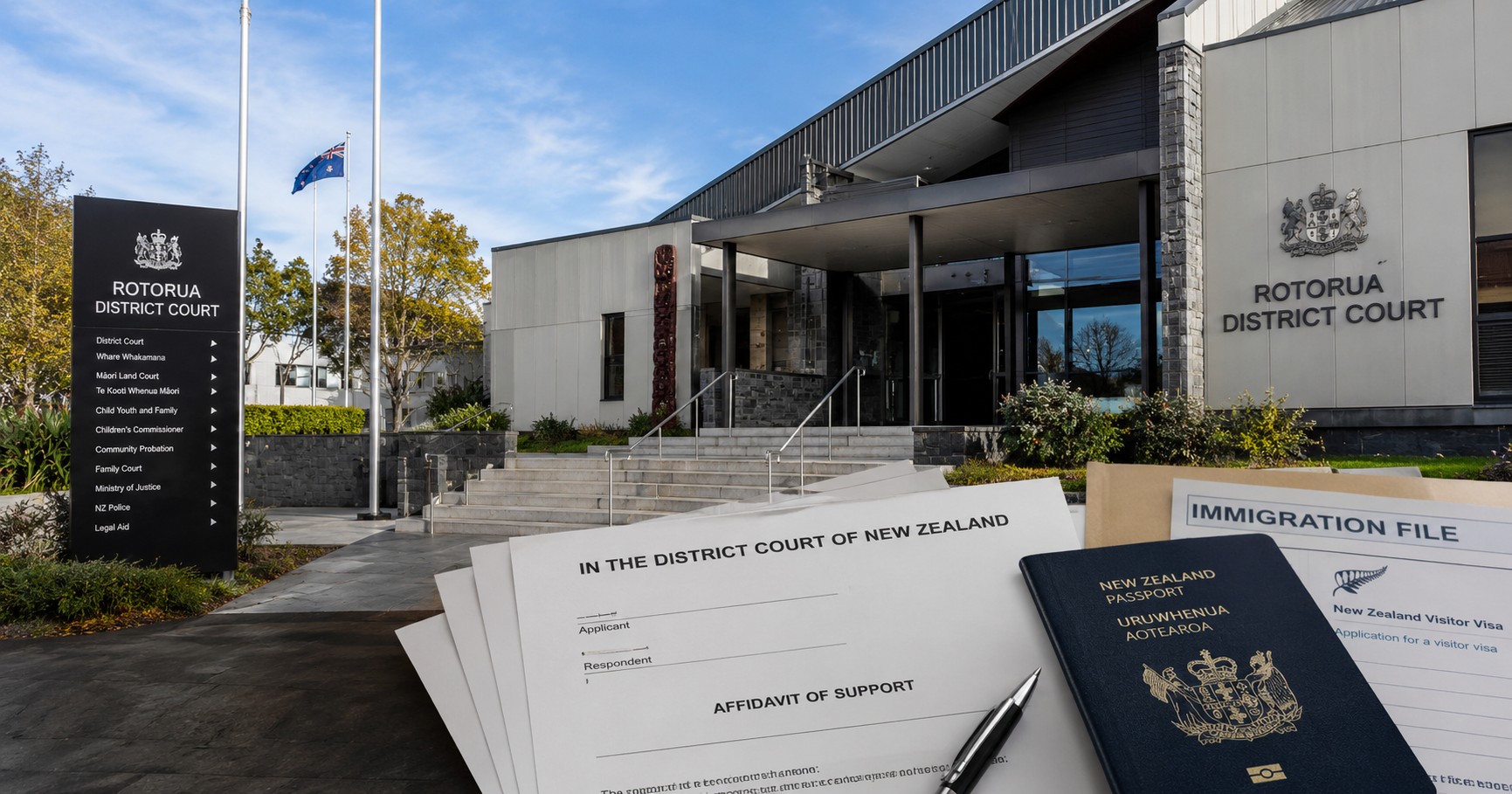
A migrant worker convicted in connection with an illegal Rotorua operation involving the sexual exploitation of teenage girls has failed in his attempt to stop his deportation from New Zealand.
Nishanth Parakudiyil Prahladan, 25, had asked the Immigration and Protection Tribunal to allow him to remain in the country on humanitarian grounds. His case raised issues involving New Zealand's laws protecting people under 18, the immigration consequences of a criminal conviction, and the high threshold that migrants must meet to challenge deportation.
Although the tribunal dismissed his humanitarian appeal, Prahladan was given a six-month work visa, allowing him additional time in New Zealand to organise his affairs before leaving.
How the Rotorua Case Began
The offence dated back to January 2023, when Prahladan contacted a girl via an online adult services advertisement.
He travelled from Tauranga to Rotorua and paid $250 for commercial sexual services. According to the court proceedings, Prahladan believed the girl was 19. She was actually 13.
He later sent further messages and attempted to phone her, although the pair did not meet again.
The contact became part of a wider police investigation into an illegal Rotorua operation involving women and teenage girls, including girls aged 13 and 14.
For geographic context, Rotorua is included within EscortLocate's Central North Island regional listings. At the same time, Prahladan had travelled to the city from Tauranga, another major Bay of Plenty centre covered by the site's Tauranga adult listings. Legitimate adult-service platforms are intended exclusively for adults and should be clearly separated from any activity involving children or young people.
Conviction Led to Immigration Consequences
Prahladan was charged with entering into an arrangement for the provision of commercial sexual services from a person under 18 and pleaded guilty.
Before sentencing, he applied for a discharge without conviction. His argument included the potentially serious effect a conviction could have on his immigration status, as well as the shame he believed it could bring to his family.
The application was unsuccessful.
The sentencing judge reportedly accepted that Prahladan had believed the girl was 19, but the offence was treated as one of strict liability in his case. He was ultimately sentenced to six months and two weeks of home detention.
The conviction then created a separate immigration problem.
Immigration New Zealand served Prahladan with a deportation liability notice. After an initial review did not change that position, he took his case to the Immigration and Protection Tribunal and sought to remain in New Zealand on humanitarian grounds.
Why Prahladan Asked to Stay in New Zealand
Prahladan presented several arguments to the tribunal.
He said he had lived in New Zealand for six years, completed a qualification and built a working life in a skilled occupation. Deportation, he argued, would undo much of what he had established since arriving in the country.
Family responsibilities were another significant part of his case.
Prahladan told the tribunal that he regularly sent money to India to help support his mother, who was receiving cancer treatment. He argued that being forced to leave New Zealand would affect his ability to continue providing that financial assistance.
He also claimed that returning to India could expose him to social stigma and ostracism if his conviction became known. His submissions raised concerns about finding employment and accommodation, possible threats from vigilante groups and the impact deportation could have on his mental wellbeing.
A separate appeal challenging his conviction was also raised during the immigration proceedings. The tribunal's decision recorded that the appeal against the conviction had been heard and that judgment was reserved.
Why the Humanitarian Deportation Appeal Failed
The Immigration and Protection Tribunal accepted that Prahladan had established meaningful ties to New Zealand through study and employment.
However, it concluded that these circumstances were not exceptional for a person who had spent several years in the country on temporary immigration status.
His record as a reliable and skilled employee was also considered positive, but not sufficiently unusual to meet the demanding humanitarian standard required to overturn deportation liability.
The tribunal similarly acknowledged his financial support for his mother. However, it found there was not enough evidence to establish that his family would be unable to meet their basic needs without the money he earned in New Zealand.
His concerns about returning to India also failed to meet the required threshold.
While the tribunal accepted that Prahladan could experience stigma or difficulty if people became aware of his conviction, it considered the evidence of potential violence to be limited. It also found that relocation within India remained a possible option.
Taken together, the tribunal decided that his circumstances were not exceptional enough to make deportation unjust or unduly harsh.
A Six-Month Work Visa Before Departure
Despite dismissing the appeal, the tribunal did not require Prahladan to leave New Zealand immediately.
Instead, it directed that he receive a six-month work visa.
The additional time was intended to allow him to arrange his personal and financial affairs and continue supporting his family before returning to India.
The tribunal also considered him unlikely to reoffend and therefore unlikely to present a public risk during that temporary period.
The decision, however, did not overturn his deportation liability or grant him a permanent right to remain in New Zealand.
What New Zealand Law Says About Under-18 Commercial Sexual Services
New Zealand is internationally known for decriminalising consensual adult sex work under the Prostitution Reform Act 2003. That does not mean the industry operates without firm legal boundaries.
The law expressly prohibits arranging, facilitating or receiving commercial sexual services involving anyone under 18.
For readers seeking a broader context, EscortLocate's guide to New Zealand's sex work law, rights, and resources explains the country's decriminalised framework and some key restrictions.
The distinction between legal adult sex work and the exploitation of minors is fundamental. A person under 18 cannot legally be used to provide commercial sexual services.
This is also why online advertising platforms serving the adult industry need clear moderation policies. EscortLocate's own adult-platform Terms of Service state that users must be at least 18 and prohibit content involving minors.
Verification, moderation and reporting suspicious activity should therefore be treated as core safety measures rather than optional platform features.
For further background on consent, safety and the realities facing people working legally in the industry, readers can also explore this overview of the daily life, profession and challenges of sex workers in New Zealand.
Why This Case Matters Beyond One Deportation Appeal
The Prahladan case highlights two separate but connected areas of New Zealand law.
The first is straightforward: decriminalisation protects consensual commercial sexual activity between adults. It does not remove the strict protections that apply to children and young people.
The second concerns immigration. A criminal conviction can have consequences extending well beyond the sentence imposed by a court, particularly for someone who does not have an unrestricted right to remain in New Zealand.
Humanitarian factors such as employment, family responsibilities, mental health concerns and community connections may all be considered in a deportation appeal. However, showing that deportation will be painful or disruptive does not, in itself, meet the legal threshold.
In this case, the tribunal accepted that returning to India would be difficult for Prahladan but ultimately decided those difficulties were not exceptional enough to justify cancelling his deportation liability.
FAQ
Is sex work legal in New Zealand?
Consensual adult sex work was decriminalised under the Prostitution Reform Act 2003. However, the industry remains subject to rules covering matters including consent, health and safety, and the absolute prohibition on involving people under 18 in commercial sexual services.
Can a migrant be deported from New Zealand after a criminal conviction?
A conviction can create immigration consequences depending on the person's visa or residency status, the offence and the relevant provisions of immigration law. In some circumstances, Immigration New Zealand may establish liability for deportation.
What is a humanitarian appeal against deportation?
A humanitarian appeal asks the Immigration and Protection Tribunal to consider whether exceptional humanitarian circumstances would make deportation unjust or unduly harsh and whether allowing the person to remain would be consistent with the public interest.
Did Prahladan win the right to remain permanently in New Zealand?
No. His humanitarian appeal was dismissed. The tribunal granted him a six-month work visa so he could arrange his affairs and continue supporting his family temporarily before departing New Zealand.
Is it legal to pay for sexual services from someone under 18 in New Zealand?
No. New Zealand law prohibits contracting for or receiving commercial sexual services from a person under 18.
News Link: https://www.nzherald.co.nz/rotorua-daily-post/news/migrant-worker-in-rotorua-teen-sex-ring-nishanth-parakudiyil-prahladan-to-be-deported-from-new-zealand/NIL3R5O4PVDWHJQCCX5NHPMCZA/

.jpg)